
Caring for your pieces
Tips & maintenance
Find all our simple and effective tips to extend the life of your exceptional pieces.
Subjects
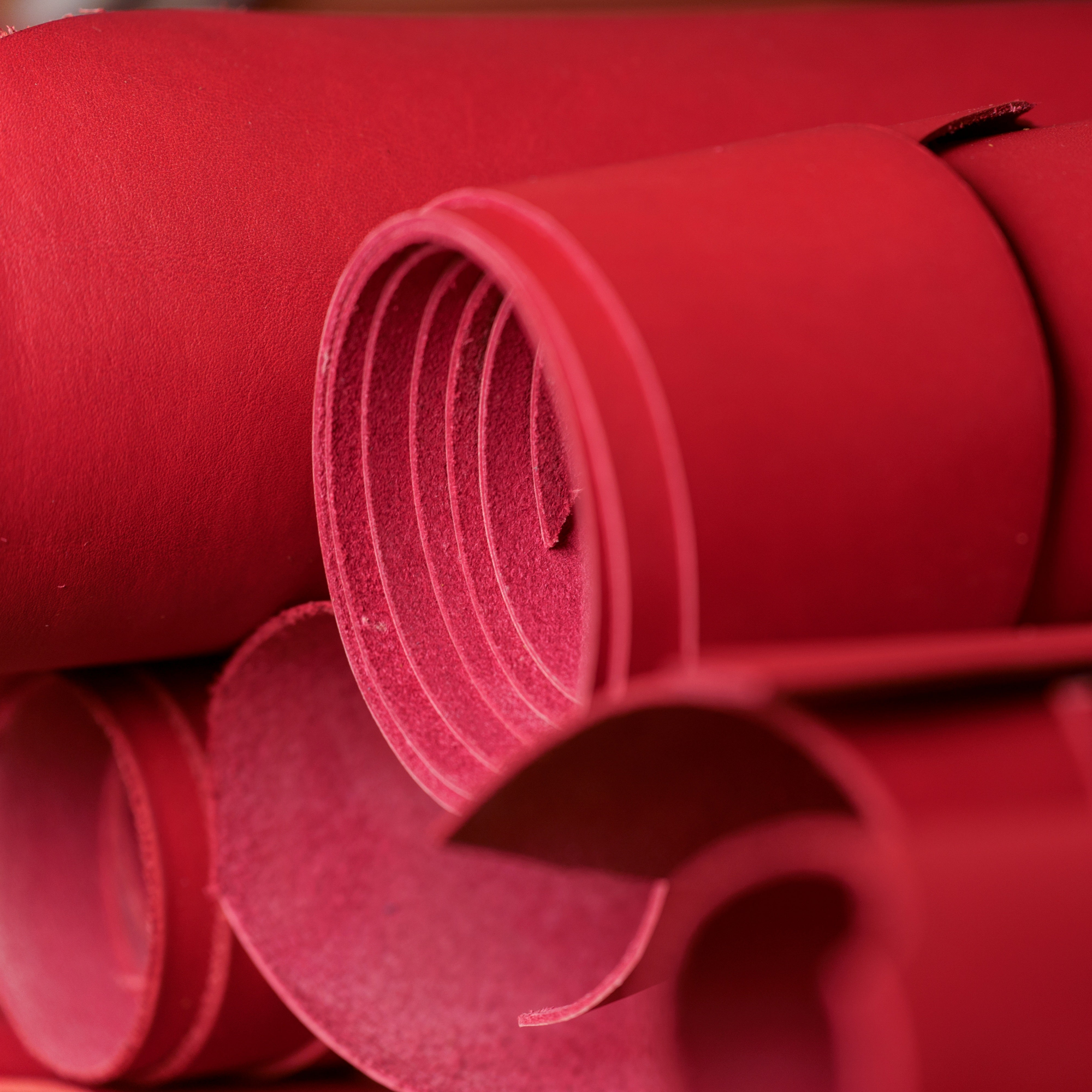
Our Leathers
Gentle Cleaning - Regularly dust the leather with a soft, dry cloth.
Moisturizing & Nourishing - Nourish the leather every 3 to 6 months with a suitable cream applied with a soft cloth.
Rain Management - In case of contact with water, immediately wipe the surface with a clean, soft cloth to avoid the appearance of traces or drying marks.
Storage - Avoid prolonged exposure to direct heat sources (radiator, heater, intense sun, hairdryer).
Store your leather bag in a dry place, away from humidity and direct light.
Subjects
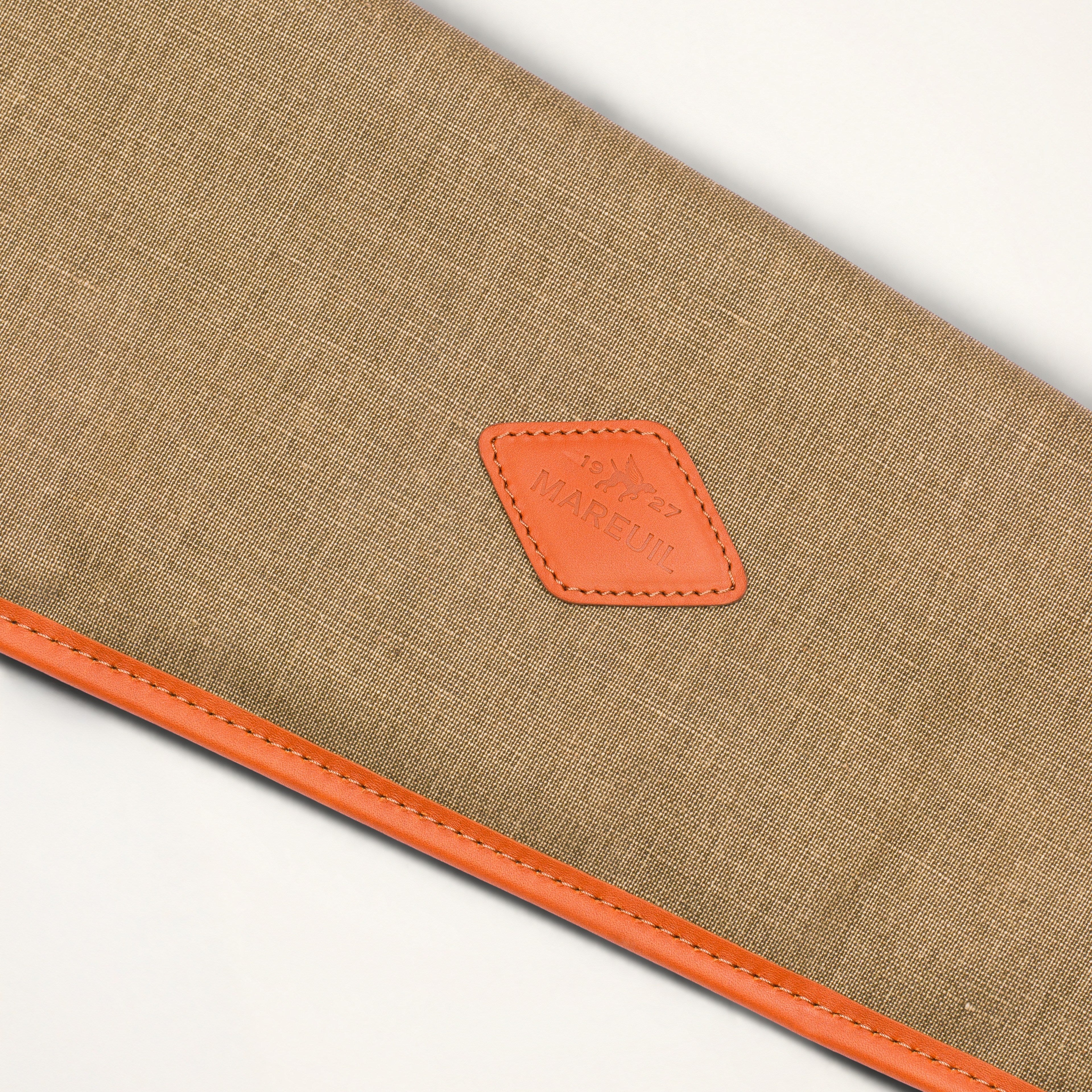
Our canvases
Daily dusting - Gently brush the surface with a soft brush or a dry cloth to remove dust.
Spot cleaning - Use a soft sponge lightly dampened with lukewarm water and mild soap (or Marseille soap). Dab the area without rubbing excessively.
Drying - Allow your bag to air dry, away from direct heat (radiator, sun) to avoid damaging the fibers.
Tip - To permanently protect the canvas against water and stains, apply a suitable waterproofing agent once or twice a year.
Practical Tips
Proper maintenance of your parts
Never apply water or soap immediately to a fresh grease stain, as this risks setting the grease into the fabric fibers or leather pores.
Since leather absorbs grease, the ideal product is fuller's earth.
- Absorb excess: Immediately blot excess grease with an absorbent paper towel or a dry cloth, without rubbing.
- Sprinkle generously: Completely cover the stain with fuller's earth.
- Allow to act: Let sit for at least 2 to 5 hours (ideally overnight) so that the powder can absorb the grease.
- Remove the powder: Gently brush with a soft brush or vacuum.
- Nourish the leather: If necessary, rehydrate the cleaned leather with your usual cream.
Canvas is more forgiving, but requires a step-by-step process:
- Dry Absorption: As with leather, sprinkle with fuller's earth or baking soda and leave for a few hours to extract as much grease as possible.
- Targeted Spot Wash: Remove the absorbent powder. Apply a drop of neat dish soap or Marseille soap to the area. Gently rub with a soft toothbrush or a warm, damp sponge.
- Rinse & Dry: Dab with a clean, damp cloth to remove the soap, then air dry.
On a fresh blood stain
- Blot immediately: Gently blot with an absorbent paper towel or a dry cloth to remove as much liquid as possible. Do not rub, as this will spread the blood or make it penetrate the pores of the leather.
- Clean with cold water: Dampen a clean cloth (preferably microfiber) with very cold water.
- Blot: Gently blot the area from the outer edge towards the center of the stain.
- Dry: Wipe with a dry cloth and allow to air dry naturally (away from any heat source).
On a dried or ingrained blood stain
If the blood has had time to dry, cold water alone will not be enough. Use one of these two gentle solutions:
- Soak a cotton pad with saline solution or micellar cleansing water.
- Gently blot the stain until the blood dissolves and transfers to the cotton pad.
- Rinse by blotting with a cloth dampened with cold water, then dry.
After stain removal
Once the leather is completely dry, apply a nourishing leather milk.
Leather is a natural, living material that reacts strongly to water and heat.
100% natural drying - Always let your bag dry at room temperature in a well-ventilated room.
Maintain shape - Generously stuff the inside of the bag with tissue paper, white newspaper (without ink), or a clean cloth. This will absorb internal moisture while maintaining the bag's structure during drying.
Absolutely avoid - Never use a hairdryer, radiator, or direct sun exposure. A direct heat source will drastically dry out the leather, causing it to crack, shrink, or warp irreversibly.
Do not hang a very heavy, soaked bag by its handles, as the weight of the water may deform the stretched leather.
Tip after drying - Once the bag is perfectly dry, apply a special nourishing leather milk to restore its suppleness.
Protect from dust - Place your bag in a breathable cotton dust bag. Absolutely avoid plastic bags or airtight boxes, as leather needs to "breathe"; trapped moisture would encourage mold growth.
The ideal environment
Away from direct light - Sun and UV rays discolour and dry out leather.
A dry and temperate place - Avoid damp cellars or attics subject to strong temperature variations.
Upright position - Place the bag upright on its base or shelf stand. Avoid hanging it indefinitely by its handles to avoid marking or stretching the handle leather.
Repairs
We provide repairs for our high-end leather products and accessories, after diagnosis.
Do not hesitate to contact us to give them a second life: all your specific requests will be subject to a prior quote.